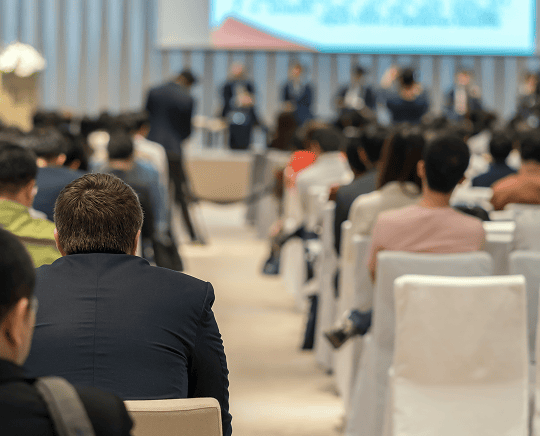
The most meaningful experiences are designed for everyone. By considering different perspectives, needs, cultures, and ways of participating, brands can create events where every attendee feels welcomed, valued, and part of the experience.
1. Introduction
Creating an inclusive experience starts with understanding that no two attendees are exactly the same. People arrive with different backgrounds, expectations, abilities, and ways of engaging with an event.
An inclusive event considers these differences from the very beginning. From communication and venue design to content and networking, every detail can help people feel comfortable and included.
2. Understanding different perspectives
Great experiences begin with listening. Understanding who your audience is and what they need allows you to design an event that feels relevant to a wider range of people.
Different cultures, generations, professional backgrounds, and personal experiences can shape how attendees interact with an event. Bringing these perspectives into the planning process helps create experiences that feel more thoughtful and authentic.
3. Designing for accessibility
Accessibility should be part of the experience, not an afterthought. Clear signage, accessible spaces, comfortable seating, captioning, suitable digital content, and flexible participation options can make a significant difference.
Small design decisions can remove barriers and allow more people to participate confidently.
“Inclusion is not about creating a separate experience for people. It is about creating an experience where everyone belongs.”
4. Creating spaces for everyone
The physical and social environment of an event can strongly influence how people connect. Thoughtfully designed networking areas, quiet spaces, accessible routes, and different ways to participate can help attendees engage in ways that feel natural to them.
When people have the freedom to choose how they interact, the experience becomes more comfortable, personal, and meaningful.
5. Making inclusion part of the experience
True inclusion goes beyond accessibility. It is about making people feel seen, respected, and represented throughout the entire event.
From diverse speakers and relevant content to welcoming communication and inclusive activities, every touchpoint can reinforce the message that everyone has a place at the table.
The strongest experiences do not simply accommodate differences. They celebrate them.
6. Final thoughts
Inclusive experiences are built through intentional choices. When brands take the time to understand their audiences and design around different needs and perspectives, they create events that are more engaging, memorable, and meaningful.
Ultimately, the goal is simple: create an experience where everyone feels welcome, connected, and able to participate.
Story Editorial Team
We explore the ideas, experiences, and strategies that help brands create meaningful events and lasting connections.